Please wait...

Faculty details Arka Mandal

Assistant Professor

Arka Mandal

Email: arkamandal[at]iitb[dot]ac[dot]in

Phone: +91-22-2576-7636

Education:

  • Ph. D. Metallurgical and Materials Engineering, IIT Kharagpur, 2023 
  • M. S. Metallurgical and Materials Engineering, IIT Kharagpur, 2016 
  • B. E. Metallurgy and Materials Engineering, IIEST Shibpur (Erstwhile BESU Shibpur), 2010
Teaching

In his teaching, Prof. Arka Mandal strives to break down fundamental concepts to the greatest possible extent, to help students understand why they study what they study. 

Courses taught: Diffusion and Kinetics (PG) 

Courses to be taught: Principles of Crystallographic Texture (UG/PG), Thermomechanical Processing and Forming of Steel (UG/PG)

Research profile

Prof. Arka Mandal's research focuses on the deformation behaviour of metallic materials across length scales, from bulk response to nanoindentation, with emphasis on crystalline defects [1], solid-state phase transformations, and the processing-structure-texture-property correlation in steels. He employs advanced electron microscopy and related characterization techniques [2] to reveal the role of defects, interfaces, and microstructural evolution in governing mechanical behaviour. His work integrates experimental analysis with a fundamental understanding of deformation and transformation mechanisms to build structure-sensitive insights for metallic systems. A strong focus of his research is on steels, where texture evolution [3] and phase stability are linked to performance under service conditions. Overall, his research aims to connect microstructural features with macroscopic properties for the design of stronger, more reliable engineering materials.

Research interest
  • Deformation Behaviour of Metallic Materials Across Length Scales 
  • Advanced Electron Microscopy-based Characterization of Crystalline Defects 
  • Solid State Phase Transformation 
  • Processing-Structure-Texture-Property Correlation in Steel
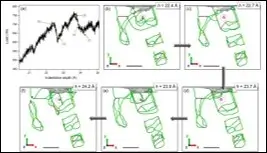
Spherical load vs. indentation depth curve shows the largest load dips, and dislocation structure beneath the indentation at incremental depths.

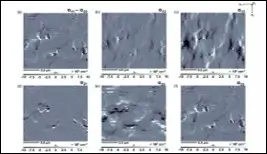
The HR-EBSD maps showing one difference of terms and five known terms of the Nye tensor: (a) α11−α22, (b) α12 (edge), (c) α13 (edge), (d) α21 (edge), (e) α23 (edge), and (f) α33 (screw), with the sample reference frame shown.

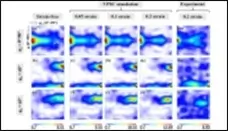
φ2 = 0°, 45°, and 65° sections of the orientation distribution function of FCC-austenite in strain-free, 0.05 strained (simulated), 0.1 strained (simulated), and 0.2 strained (simulated and experimentally obtained) conditions. Simulation is done in VPSC.

References
  1. A. Mandal, S. Biswal, S. B. Singh, D. Chakrabarti. (2025). Unlocking the synergy: How tip-radius and crystal orientation govern indentation in ferrous FCC Alloys. Materialia, DOI: 10.1016/j.mtla.2025.102621 
  2. A. Mandal, B. Beausir, J. Guyon, V. Taupin, A. Guitton. (2025). Estimation of Dislocation Densities With Nondestructive Scanning Electron Microscope Techniques: Application to Gallium Nitride. Microscopy and Microanalysis, DOI: 10.1093/mam/ozae124 
  3. A. Mandal, S. Morankar, M. Sen, S. Samanta, S. B. Singh, D. Chakrabarti. (2020). A Descriptive Model on the Grain Size Dependence of Deformation and Martensitic Transformation in Austenitic Stainless Steel. Metallurgical and Materials Transactions A, DOI: 10.1007/s11661-020-05861-7

Faculty details Nagamani Jaya Balila

Associate Professor

Nagamani Jaya Balila

Email: jayabalila[at]iitb[dot]ac[dot]in

Phone: (+91) (022) 2576 7626

Education: 

  • Ph.D. ­ Materials Engineering, IISc Bangalore, 2013 
  • B.Tech ­ Met. & Matls. Engg., NlT Karnataka, 2007
Teaching

Prof. Jaya inculcates hands­on projects and laboratory components even in theoretical courses, to enhance both conceptual understanding and application of the concepts taught. She has been utilizing the maker space and her own mechanical test facility as resources. 

Courses taught are: Mechanical Behavior of Materials, Fracture Mechanics and Failure Analysis, Mechanics of Materials, Micromechanics of Thin Films and Small Structures, Metallography and Structural Characterization Laboratory.

Research profile

Prof Jaya's research interests are in mechanical behavior and structural integrity assessment of different classes of materials, across different length scales. Her focus is to deploy finite element modeling in combination with experiments to develop: Non­conventional fracture test geometries [1]; Design and development of damage resistant structures [2­3]; Microstructure and micro­mechanical characterization of interface dominated materials across stress states [4­6]. Her group is the first in the country to set up in­situ micromechanics techniques with full field strain mapping using digital image correlation under optical and electron microscopes [4­5]. She is funded by Pratt & Whitney, for her work on thermal spray coatings and additively manufactured superalloys, by IGCAR for solidification cracking in laser welded steels, and has been part of collaborations with TATA Steel to develop a miniature hole expansion ratio set up (patent filed) [6]. She has been the recipient of the Max Planck Society's External Partner­ Group Leadership Award, KITs International Excellence Fellowship Award, and Visiting Fellowship Awards at Hiroshima University and Xian­Jiatong University, for her collaborative work.

Research interest
  • Fracture mechanics of thin films, coatings and multilayered structures 
  • Design of damage tolerant composites and alloys through additive manufacturing 
  • In­situ micro­ and nano­mechanical characterization of alloys

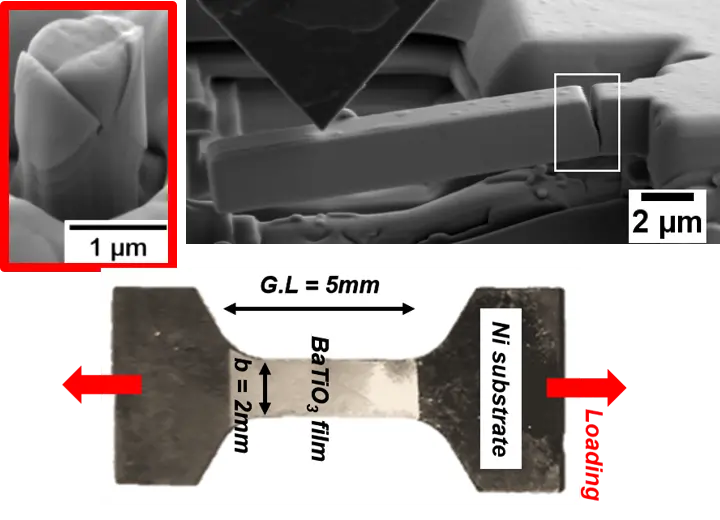
Micromechanical testing techniques for small volumes

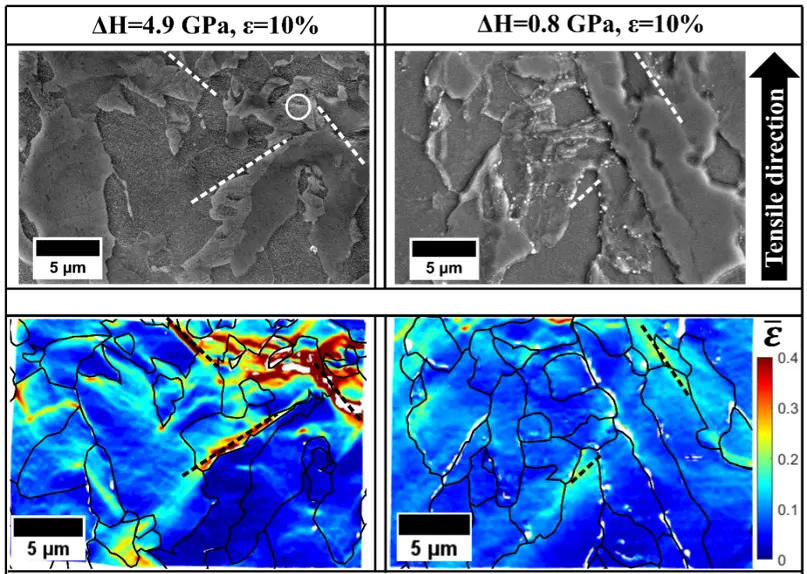
In­situ SEM­DIC strain mapping of DP steels

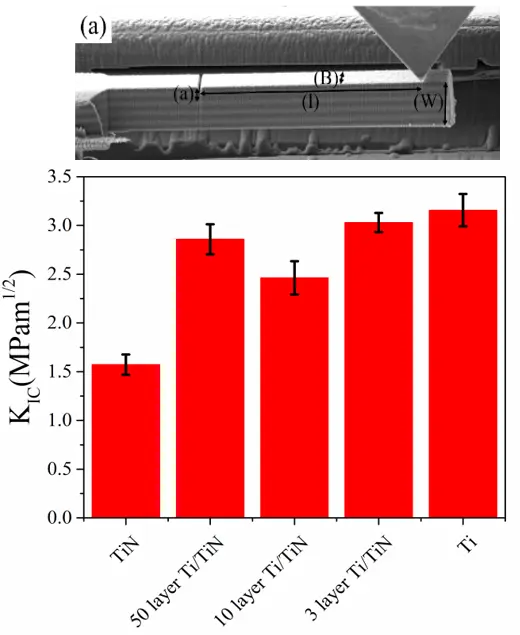
Fracture resistance optimization of multilayered Ti/ TiN films

References
  1. B. Nagamani Jaya, “Fracture in small­scale structures and confined volumes” MRS Bulletin, 47, 2022, 832­838 
  2. A. K. Mishra, H. Gopalan, M. Hans, C. Kirchlechner, J. Schneider, G. Dehm, B. Nagamani Jaya, “Strategies for damage tolerance enhancement in metal/ceramic thin films: Lessons learned from simulations and the system Ti/TiN”, Acta Materialia, Vol 228, 2022, 117777. 
  3. D. Yadav, B. Nagamani Jaya, Size effects governing damage resistance of architected PMMA, Engineering Fracture Mechanics, 2023, Vol. 290, 109526 
  4. S. Basu, B. Nagamani Jaya, H. Seekala, P. S. Phani, A. Patra, S. Ganguly, M. Dutta, I. Samajdar, Correlative Characterization and Plasticity Modeling of Microscopic Strain Localizations in a Dual Phase Steel, Materials Characterization, 2023, 197, 112704 
  5. N. G. Mathews, A. K. Saxena, N. Venkataramani, G. Dehm, B. Nagamani Jaya, “Multiscale characterization of damage tolerance in Barium Titanate thin films”, Journal of Applied Physics, Vol 132, Issue 4, 2022, 045302 
  6. S. Basu, B. Nagamani Jaya, S. Ganguly, M. Dutta, I. Samajdar, Novel miniature in­situ hole expansion test coupled with microscopic digital image correlation, Review of Scientific Instruments, 2023, (accepted)

Faculty details Nithyanand Prabhu

Professor

Nithyanand Prabhu

Email: nprabhu[at]iitb[dot]ac[dot]in

Phone: (+91) (022) 2576 7624

Education: 

  • Phd­-Metallurgical Engineering and Materials Science, Carnegie Mellon University, Pittsbugh, 1991
  • B. Tech­ Metallurgical Engineering, IIT Bombay ­ 1985
Teaching

In his teaching, Prof. N.Prabhu, lays emphasis on the fundamental concepts while simultaneously illustrating the principles with practical developments. Some courses taught are 

Undergraduate Courses: Phase Transformations, Metallography Lab,

Heat Treatment Lab Postgraduate Courses: Topics in Phase Transformations, X­ray Diffraction and Electron Microscopy, Characterization of Materials

Research profile

The theme of Prof. Prabhu's research is "Processing­structure­property relationship" in different materials. His research scholars have explored this relationship in Mg­, Al­, Ti­alloys and in steels viz., HSLA steel, Dual­phase steel, Super­duplex stainless steel and austenitic stainless steel. Currently he is collaborating with NMRL, Ambernath to develop suitable High­Entropy Alloy (HEA) for naval applications.

Research interest
  • Phase Transformations 
  • Electron Microscopy 
  • Physical Metallurgy

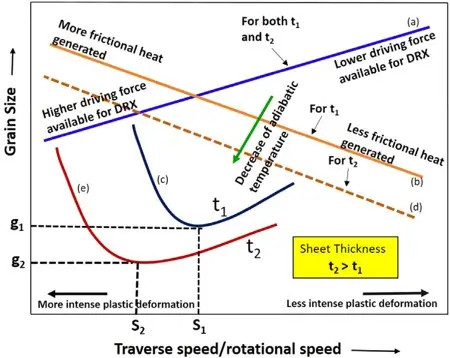
Microstructure evolution in friction stir processed 2507 super duplex stainless steel. Schematic diagram depicting the individual and synergistic effect of processing parameters such as heat input, strain rate and strain on grain size with respect to the traverse to rotation speed ratio and the thickness of sheet[1]

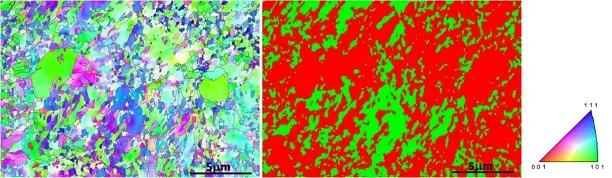
Strain induced martensite formation in 304 stainless steel. a) EBSD­inverse pole figure map and b) phase map of austenite (70%) and martensite (30%) for the transition zone of SS­I after tensile deformation, showing SIM association with micro shear bands. Red: Austenite, Green: Ferrite[2]

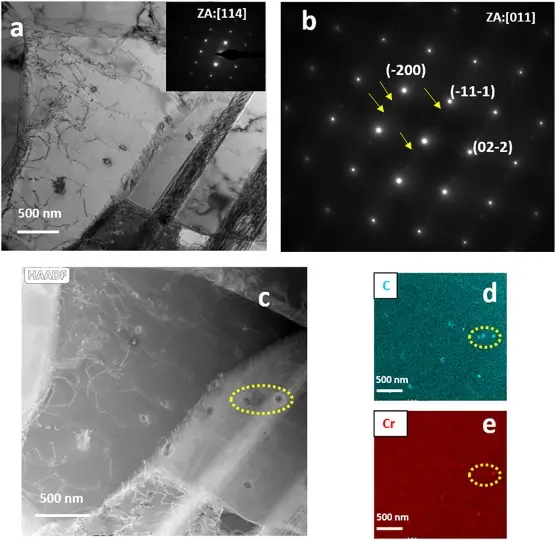
Friction stir processed, metastable, dual­phase, Fe49.5Mn30Co10Cr10C0.5, multi­principal element alloy (a) TEM bright field image showing the presence of M23C6 precipitates, (b) SAED pattern showing strong matrix reflections and weak precipitate reflections, (c) HAADF image showing the precipitates encircled in yellow colour (d) X­ray elemental map showing the distribution of carbon and (e) chromium in the microstructure[3]

References
  1. M.K. Mishra, A.G. Rao, I. Balasundar, B.P. Kashyap, N. Prabhu, On the microstructure evolution in friction stir processed 2507 super duplex stainless steel and its effect on tensile behaviour at ambient and elevated temperatures, Materials Science & Engineering A 719 (2018) 82–92, doi.org.10.1016.j.msea.2018.02.032 
  2. Sailaja Sharma, B. Ravi Kumar, B.P. Kashyap, N. Prabhu, Effects of concurrent strain induced martensite formation on tensile and texture properties of 304L stainless steel of varying grain size distribution, Materials Science & Engineering A 725 (2018) 215–227, doi.org.10.1016.j.msea.2018.03.099 
  3. Neelam Meena, G. Gunasekaran, P. Veereiah, A.G. Rao, N. Prabhu, Corrosion behaviour of friction stir processed, metastable, dual­phase, Fe49.5Mn30Co10Cr10C0.5, multi­principal element alloy, Journal of Alloys and Compounds 952 (2023) 169967, doi.org.10.1016.j.jallcom.2023.169967

Faculty details Prasad M.J.N.V.

Jindal Stainless Steel Chair Professor

Prasad M.J.N.V.

Email: mjnvprasad[at]iitb[dot]ac[dot]in

Phone: (+91) (022) 2576 7642

Education: 

  • PhD ­ Materials Engineering, IISc, Bangalore, 2010 
  • ME ­ Metallurgy, IISc, Bangalore, 2004 
  • BTech ­ Met. Engg. REC (now, NIT Warangal) 2002
Teaching

In teaching, Prof. Prasad focuses on fundamental aspects of relating the microstructure­mechanical properties­ thermomechanical processing of materials. 

Some courses taught are: 

Thermomechanical Processing and Forming of Steel; Mechanical Characterization of Materials; Plastic Deformation and Microstructure Evolution; Fatigue, Creep and Superplasticity; Protective Coatings; Advanced Composites; Heat Treatment Laboratory.

Research profile

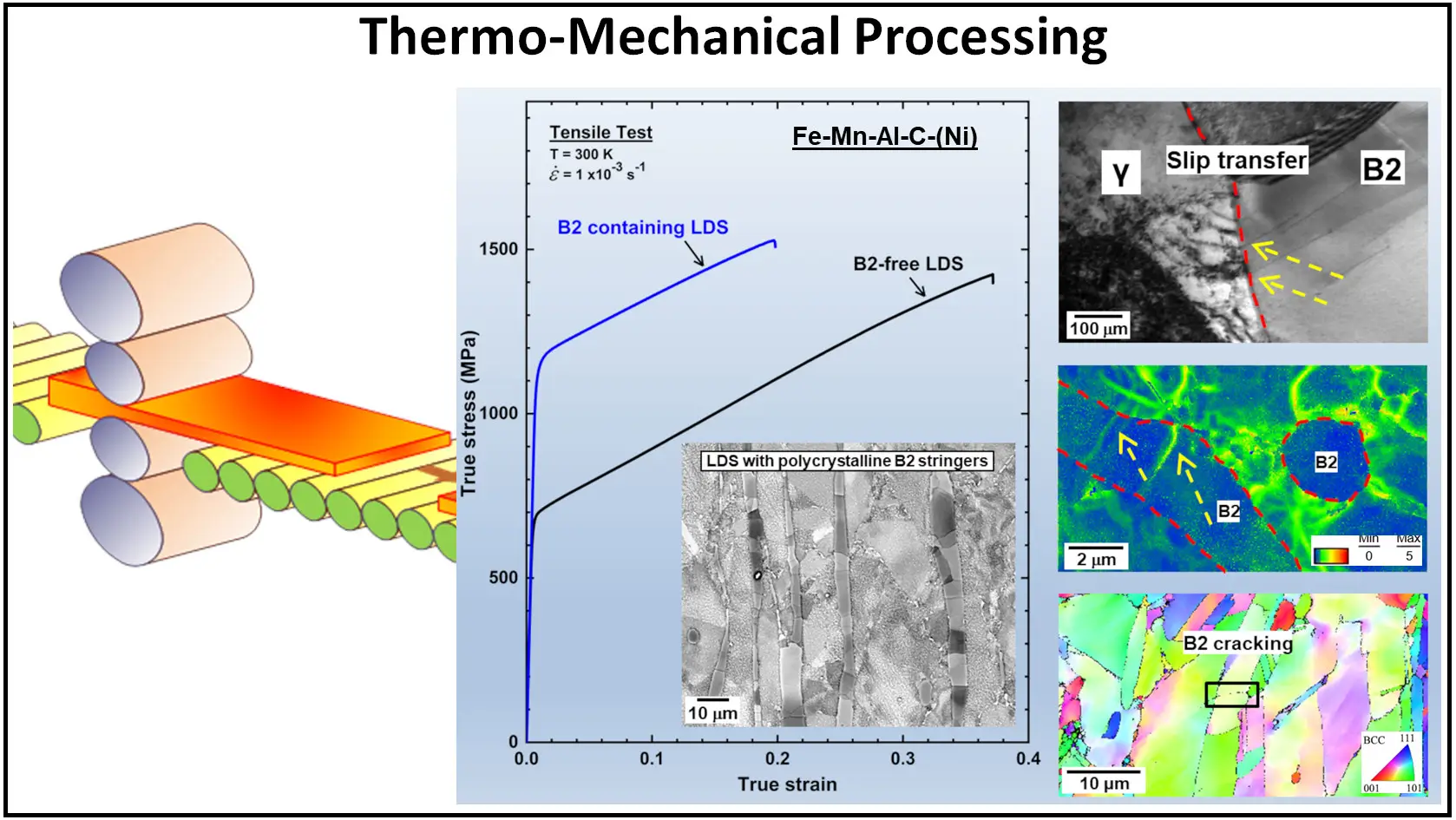
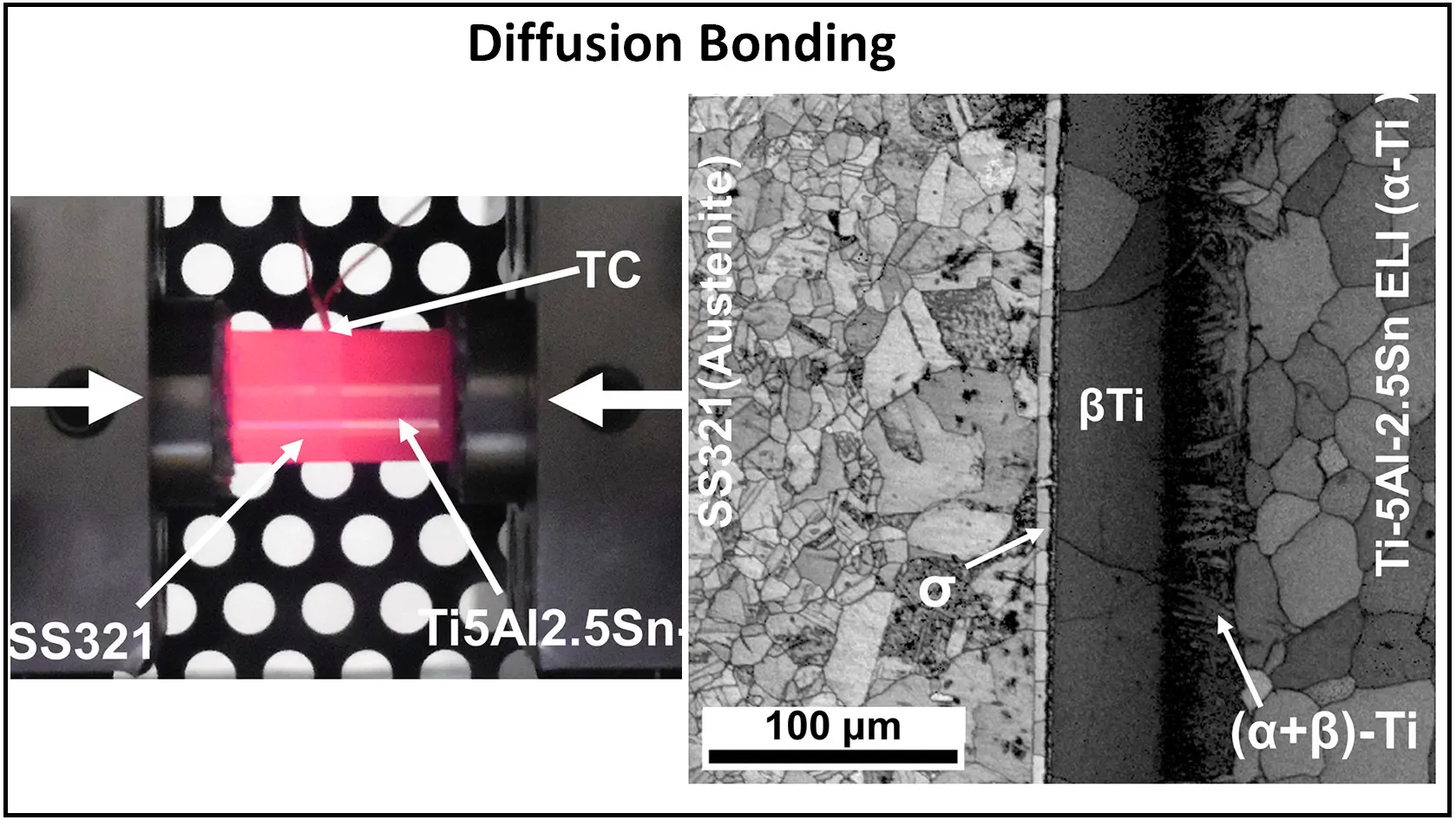
The traditional paradigm of the materials science tetrahedron illustrates the structure­processing­ properties­ performance correlations for a material. Along similar lines, Prof. Prasad has defined the focus of his research majorly on ‘Microstructural Engineering and Mechanical Performance (MEMP)’ of various metallic alloys (both ferrous and non­ ferrous metals & alloys) and metal matrix/metal particles reinforced composites. One of the current thrust areas is to develop novel coatings and materials as a strategic approach to improve resistance against mechanical and chemical degradation of materials. The second one is on developing advanced high­ strength steels and advanced light alloys (Al alloys, Mg alloys, Ti alloys) for automotive, aerospace, and defense applications by adopting proper alloy design and thermo­mechanical controlled processing. And, the third one is on developing novel and advanced similar and dissimilar metal joints by solid­state diffusion bonding and friction­stir welding. The group has been working on understanding the deformation behaviour, oxidation, and corrosion performance of metallic materials at different microstructural length scales.

Research interest
  • Mechanical Behaviour of Metallic Materials 
  • Thermo­Mechanical Processing 
  • Metallic Coatings and Alloy Development Material Joining

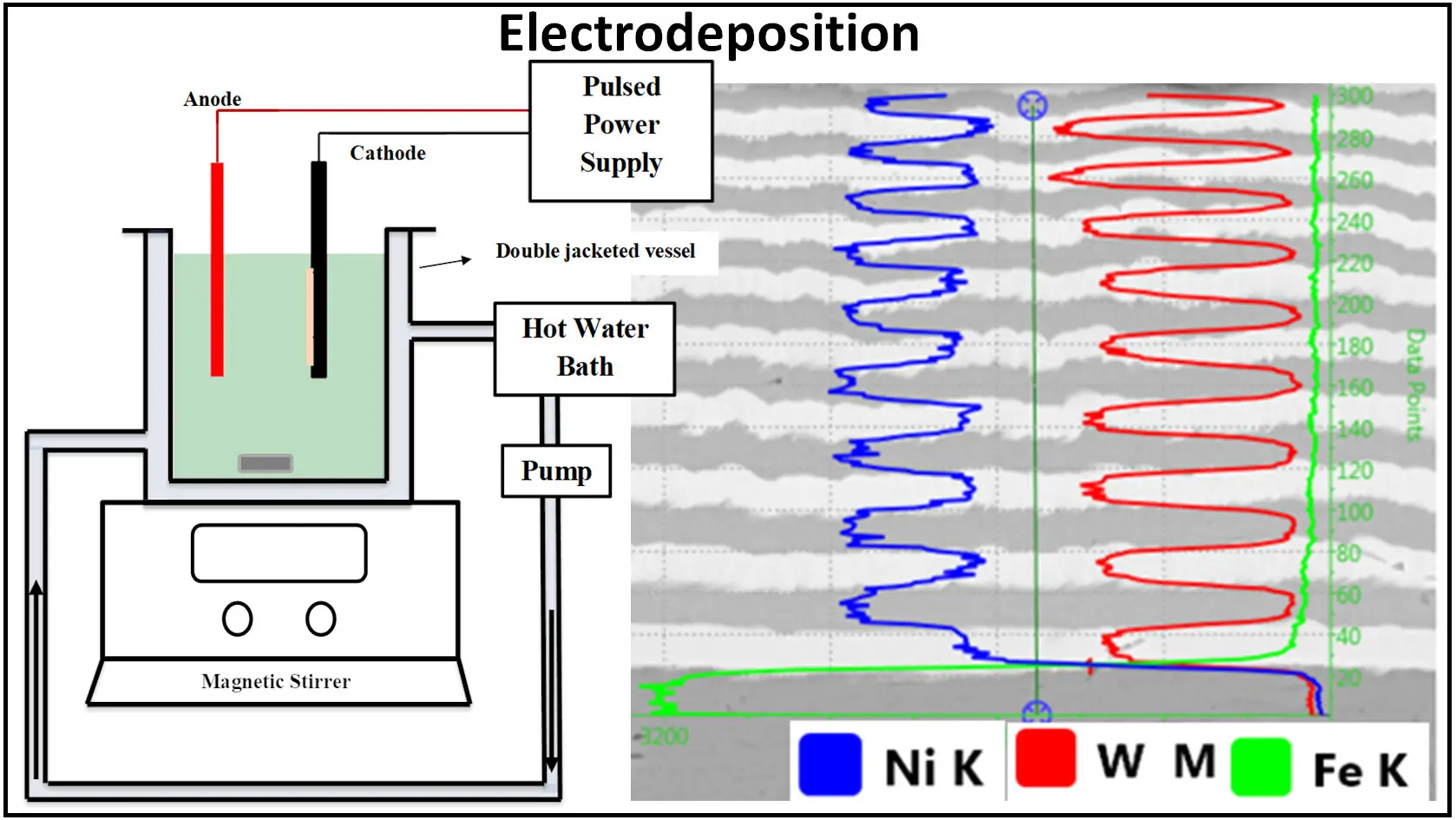
Electrodeposition of Ni­W multilayer coatings [1].

The role of secondary B2 phase on tensile behaviour of Fe­Mn­Al­C­(Ni) based low­density steels [2].

Solid­state diffusion bonding to produce dissimilar metal joints between stainless steel and titanium alloy [3].

References
  1. Lavakumar Bathini, M.J.N.V. Prasad and Nitin P. Wasekar, “Compositionally modulated Ni­W multilayer coatings: A facile approach to enhance the tribological performance,” Tribology International 179 (2023) 108145 (1­10). 
  2. Bidyapati Mishra, R. Sarkar, Vajinder Singh, A. Mukhopadhyay, Rohit T. Mathew, V. Madhu, M.J.N.V. Prasad, “Microstructure and deformation behaviour of austenitic low­density steels: The defining role of B2 intermetallic phase,” Materialia 20 (2021) 101198 (1­13). 
  3. Ravi Ranjan Kumar, Rohit Kumar Gupta, Aditya Sarkar and M.J.N.V. Prasad, “Vacuum diffusion bonding of α titanium alloy to stainless steel for aerospace applications: Interfacial microstructure and mechanical characteristics,” Materials Characterization 183 (2022) 111607 (1­15).

Faculty details Prita Pant

Professor

Prita Pant

Email: pritapant[at]iitb[dot]ac[dot]in

Phone: (+91) (022) 2576 7616

Education: 

  • MS & PhD, Materials Science, Cornell University, USA, 2004, 
  • B. E. IIT Roorkee, 1997
Teaching

Prita has taught a variety of courses encompassing theory, computation, and experiments. In all her classes, she encourages student participation in discussions both within and outside the classroom. 

List of some of the courses taught: 

Undergraduate courses: Mechanical Behaviour of Materials, Computational Lab, Mechanical working of Metals. 

Postgraduate courses: Computational Lab, Topics in mechanical behaviour of materials, Mechanical behaviour of thin films and small structures, Communication skills

Research profile

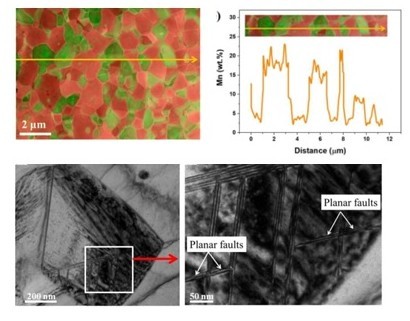
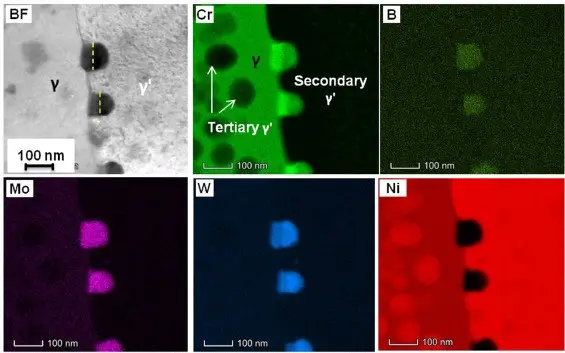
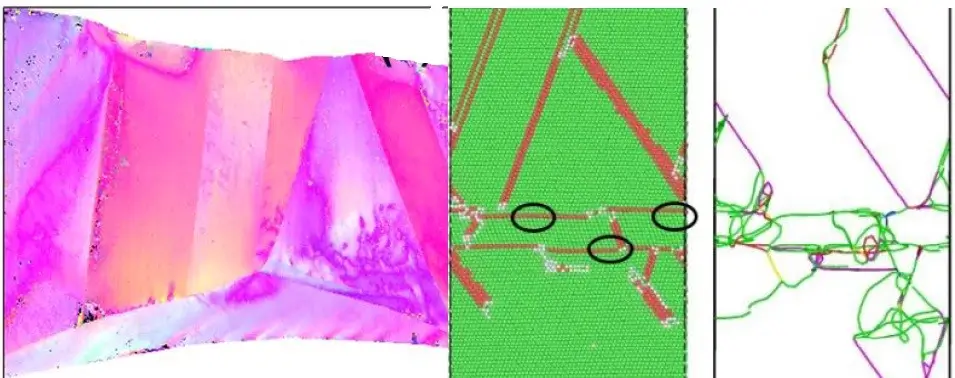
Prof. Prita’s research group has been working on investigating the links between the microstructure of metals and alloys and their plastic deformation, using a combination of experiments and modelling. Medium Mn­steels comprise the third generation of advanced high strength steels (AHSS), which have a combination of high strength and ductility. These properties are achieved by tailoring a two­phase microstructure, which, during plastic deformation, undergoes deformation by multiple modes, namely twinning, phase transformation and dislocation slip. We show that both twinning and phase transformation can occur depending on the local composition of austenite grains (Fig 1) [2]. Ni based superalloy GTD444, is used to make directionally solidified blades for later stage turbines. Since Boron is added as a grain boundary strengthener, the microchemistry near boundaries and the crystallographic orientation of grains both influence deformation at elevated temperatures. We show that M2B type borides are present near boundaries, where M is Cr, W, and Mo (Fig. 2) [2]. These borides transform into M6C and M23C6 type carbides upon thermal aging, present discretely along the boundary, and prevent inter­granular fracture. Cu­Al alloys are excellent model system to study solute strengthening and the effect of stacking fault energy, which reduces by an order of magnitude as Al content increases from 0 to about 8 wt%. Deformation of miniature tensile samples was carried out, and misorientation developed along twin and high angle boundaries measured (Fig. 3) [3]. This was explained based on molecular dynamics (MD) simulations of twinned crystals by observing dislocation accumulation near twin boundaries.

Research interest
  • Deformation of metals and alloys 
  • Microstructure evolution during deformation 
  • Dislocation dynamics simulations 
  • Molecular dynamics simulations

Mn distribution in austenite grains, when the average Mn is about 6 wt%. Intersection of planar faults, which are potential sites for martensite nucleation [1]

Nano­precipitates at grain boundary present along the gamma­gamma prime interface. STEM­EDS composition maps show the presence of Boron, and gradients in Cr and W [2]

Gauge section of deformed miniature tensile sample. Changes in colour show misorientation development. MD simulations of twinned crystal with green FCC coordinated atoms and red are HCP coordinated atoms. Dislocation accumulation at twin boundaries [3]

References
  1. Simultaneous Occurrence of Twinning and Phase Transformation During Yield Point Elongation in Medium Manganese Steels, P Satyampet et al. Metallurgical and Materials Transactions A 54 6­10 (2023) 
  2. Compositionally Graded Nano­Sized Borides in a Directionally Solidified Nickel­Base Superalloy, Gupta, Richa et al., Scripta Materialia (2021) 
  3. Misorientation Development at Σ3 Boundaries in Pure Copper: Experiments and MD Simulations, Sandhya Verma et al., Metallurgical and Materials Transactions A, 1­14 (2022)
Subscribe to Mechanical Behaviour & Computational Mechanics