Please wait...

Faculty Details Ashutosh Suresh Gandhi
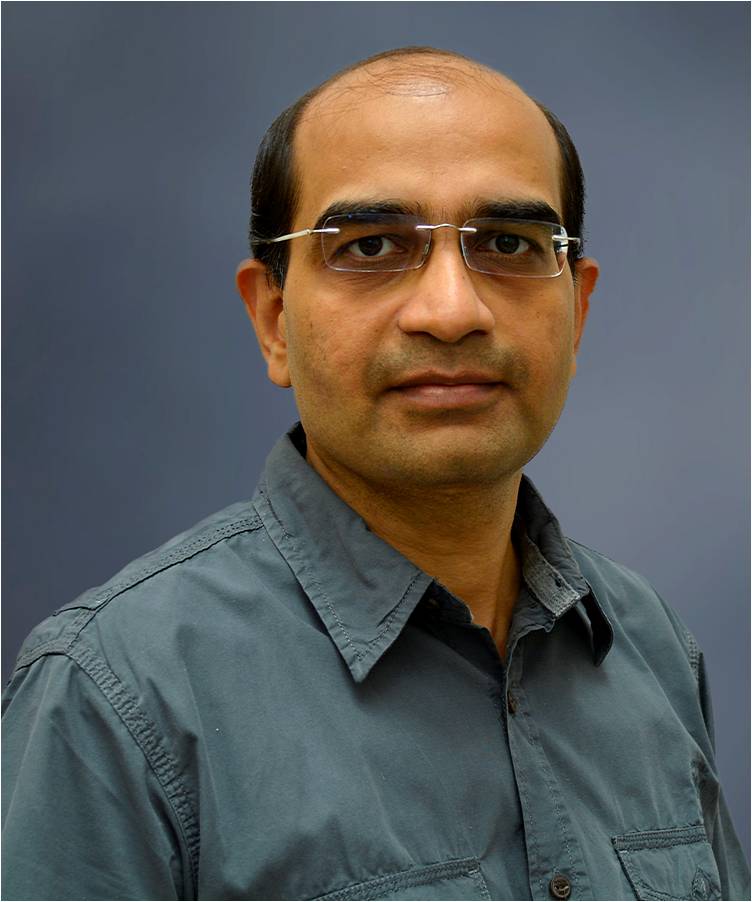
Professor

Ashutosh Suresh Gandhi

Email: agandhi[at]iitb[dot]ac[dot]in

Phone: (+91) (022) 2576 7614

Education: 

  • Phd ­ Metallurgy, IISc Bangalore, 2001 
  • ME ­ Metallurgy, IISc Bangalore, 1994
Teaching
  • Departmental Excellence in Teaching Award, IIT Bombay 2021 Structural Characterisation of Materials (MM732), M.Tech. Core High Temperature Corrosion (MM 695), M.Tech. Core 
  • Physical Metallurgy (MM737), M.Tech. Core 
  • Mechanical Characterisation of Materials (MM733), M.Tech. Restricted Elective Topics in Mechanical Behaviour of Materials (MM730), M.Tech. Restricted Elective Ceramics and Powder Metallurgy (MM357), B.Tech. Core 
  • Manufacturing Processes Laboratory (MM323), B.Tech. Core
Research profile
  1. High temperature protective coatings: a) Thermal barrier coatings (TBCs) ­ i) New thermal barrier materials based on 'high entropy' ceramics. Indian Patent #381163 (Nov 2021), Application No. 201921032434 (Aug 2019). ii) Condition monitoring of TBC system by spectroscopic sensing iii) Phase transformations and property evolution in zirconia TBCs. Mater. Sci. Eng. A, 556, 927­935 (2012). b)Environmental barrier coatings (EBCs) ­ i) Thermodynamic explanation of multiple phase formation in rare earth silicate EBCs ii) Slurry spray deposited, in­situ reaction sintered, multilayered EBCs 
  2. Multicomponent equimolar 'high entropy' oxides ­ a) Spinel, perovskite, pyrochlore/fluorite structured 'high entropy' oxides. Materialia (20) 101259 (2021) b) Advanced structural characterisation of 'high entropy' oxides c) Interesting properties: Thermal, optical, dielectric, and mechanical 
  3. Alumina based glasses a) Rare­earth and transition metal oxide additives to stabilise glassy phase b) Low temperature sintering of alumina glasses c) Advanced structural characterisation of alumina glasses
Research interest
  • Science of Ceramics, 
  • High Temperature Protective Coatings (TBCs and EBCs), 
  • Multicomponent Equimolar (High Entropy) Ceramics, 
  • Phase Transformations, 
  • Metastable and Amorphous Materials

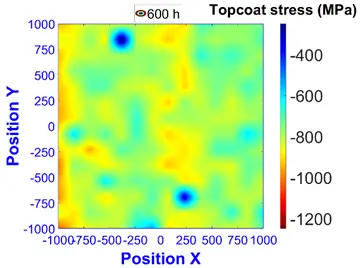
Residual stress in thermal barrier coating measured by Raman spectroscopy.

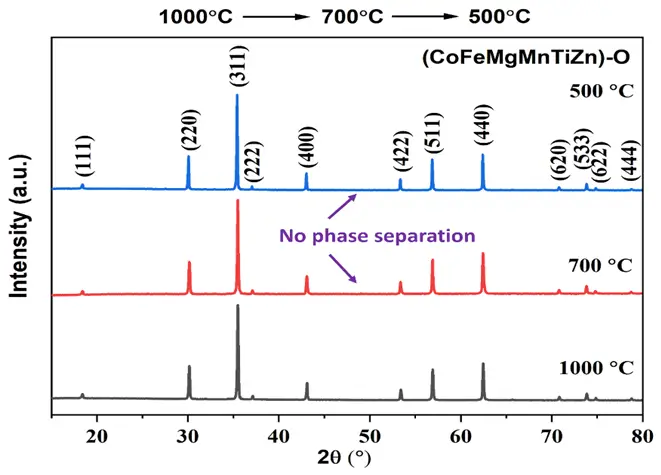
Thermally stable multicomponent equimolar 'high entropy' spinel.

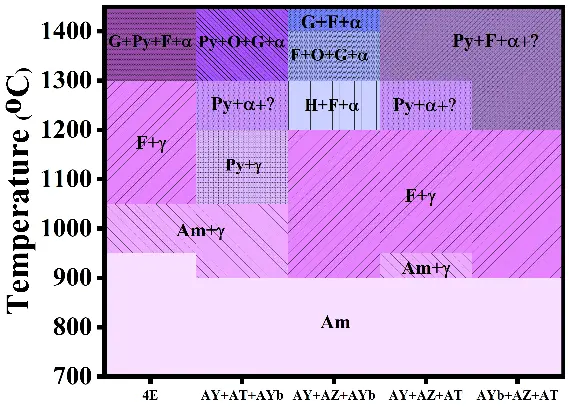
Enhanced thermal stability of alumina glasses by composition design.

Faculty Details Aparna Singh

Associate Professor

Aparna Singh

Email: aparna_s[at]iitb[dot]ac[dot]in

Phone: (+91) (022) 2576 7605

Education:

  • BTech in Mtls. & Met.l Engg. IIT Kanpur, 2007 
  • PhD in Mtls. Sci. & Engg. MIT Cambridge, 2011
Teaching

Undergraduate Courses: Mechanics of Materials 

Postgraduate Courses: Fatigue of Materials, Tribology of Materials, Physical metallurgy and mechanical properties of steels

Research profile

Prof. Aparna Singh’s interest is in the development of novel materials with a combination of high strength, toughness and fatigue crack growth life. She is also interested in understanding processingmicrostructure­ processing links in steels and polymer composites. Her rigorous experimental work has shown many interesting deformation phenomena in epoxies and steels. She also has significant experience in probing causes of failures in rails and wheels. Multiple novel grades of steels have been developed in her group that have the potential to be used as rail/wheel materials. Novel varieties of hierarchical carbonfiber epoxy composites have also been developed in her lab that can find use in prosthetics , wind turbine blades and aeroplanes. She has also worked with industries like Renewsys and Shapoorji Pallonji.

Research interest
  • Rails and wheels Fracture and fatigue 
  • Physical and mechanical metallurgy of steels Polymer composites 
  • Reliability of PV modules

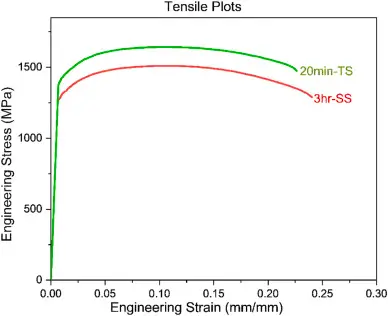
Enhanced tensile response in low carbon carbide free nano­bainitic steel

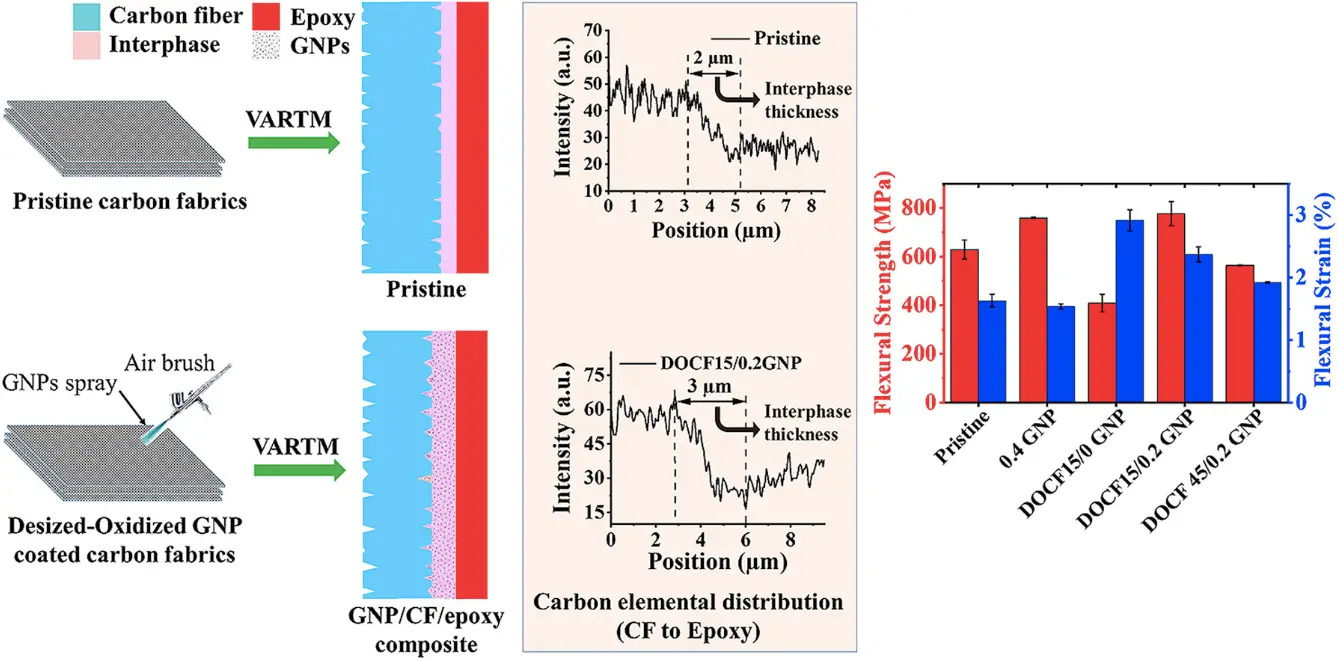
Enhancement of mechanical properties of carbon­fiber epoxy composites using graphene nano­platelets

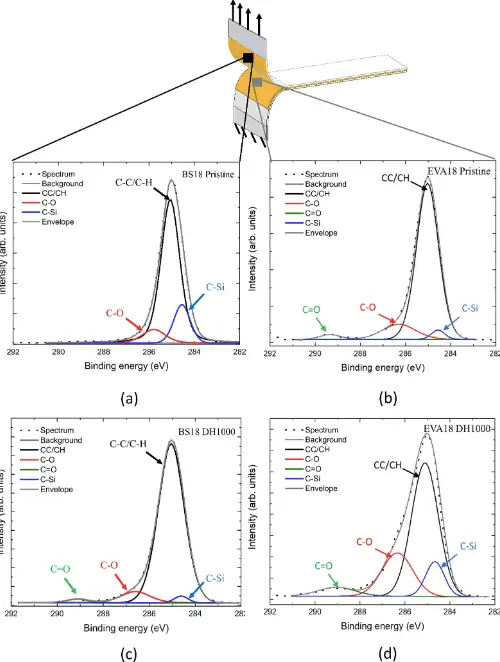
High resolution XPS spectra for peeled (a) BS18 in pristine condition, (b) EVA18 in pristine condition, (c) BS18 after DH aging and (d) EVA18 after DH aging

References
  1. A. Kumar, B. Blessto, A. Singh*, “Development of a low­carbon carbide­free nanostructured bainitic steel with extremely high strength and toughness.” Materials Science and Engineering A, 2023. 
  2. K. Mishra, A. Singh*, “Time­dependent degradation of highly cross­linked epoxy due to hygrothermal aging at three different temperatures.” Polymer Degradation and Stability, 2023 
  3. U. Desai, B. K. Sharma, A. Singh, A. Singh*, “A comparison of evolution of adhesion mechanisms and strength post damp­heat aging for a range of VA content in EVA encapsulant with photovoltaic backsheet.” Solar Energy, 2022. 
  4. S. Rathore, W. Leong, A. Singh*, “Mechanical properties estimation of 2D–3D mixed organic­inorganic perovskites based on methylammonium and phenylethyl­ammonium system using a combined experimental and first­principles approach.” Journal of Alloys and Compounds, 2023. 
  5. A. Srivastava, V. Gupta, C. Yerramali, A. Singh*, “Flexural strength enhancement in carbon­fiber epoxy composites through graphene nano­platelets coating on fibers.” Composites B: engineering, 2019. 
  6. K. Singh, A. Kumar, A. Singh*,” Effect of prior austenite grain size on the morphology of nano­bainitic steels.” Metallurgical and Materials Transactions A, 2018.

Faculty Details Anirban Patra

Associate Professor

Anirban Patra

Email: anirbanpatra[at]iitb[dot]ac[dot]in

Phone: (+91) (022) 2576 7622

Education:

  • B.Tech., Met.l & Mtls. Engg,, IIT Kharagpur ­ 2009 
  • Ph.D., Matls. Sci. & Engg, Georgia Institute of Technology ­ 2013
Teaching

Prof. Patra emphasizes on introducing mathematical and computational aspects into materials science concepts in his teaching. He has taught an undergraduate course on the mechanical behavior of materials, as well as advanced courses on continuum plasticity of metals, and numerical solutions of partial differential equations for continuum transport modeling.

Research profile

Prof. Patra's research interests are in the prediction of microstructuremechanical property correlations using physically­based crystal plasticity constitutive equations. These tools have been used for simulating deformation in nuclear, aerospace and automotive alloys. A key emphasis of his research is also on the development of computational methods, including open source tools, for such applications.

Research interest
  • Computational mechanics 
  • Crystal plasticity 
  • Constitutive modeling

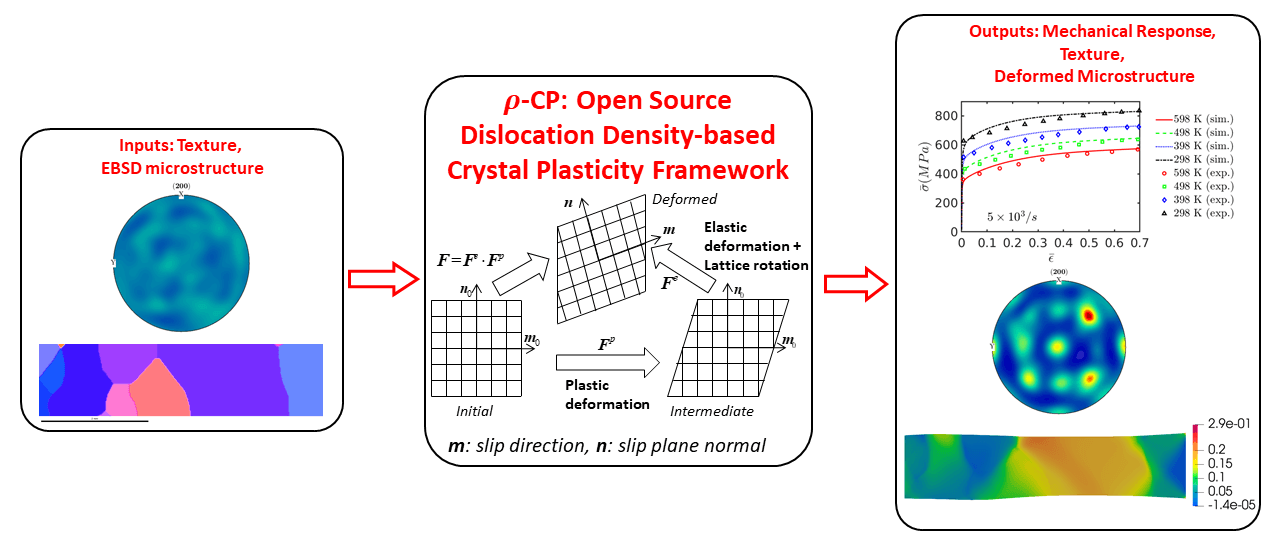
ρ­CP: Open source dislocation density based crystal plasticity solver [1].

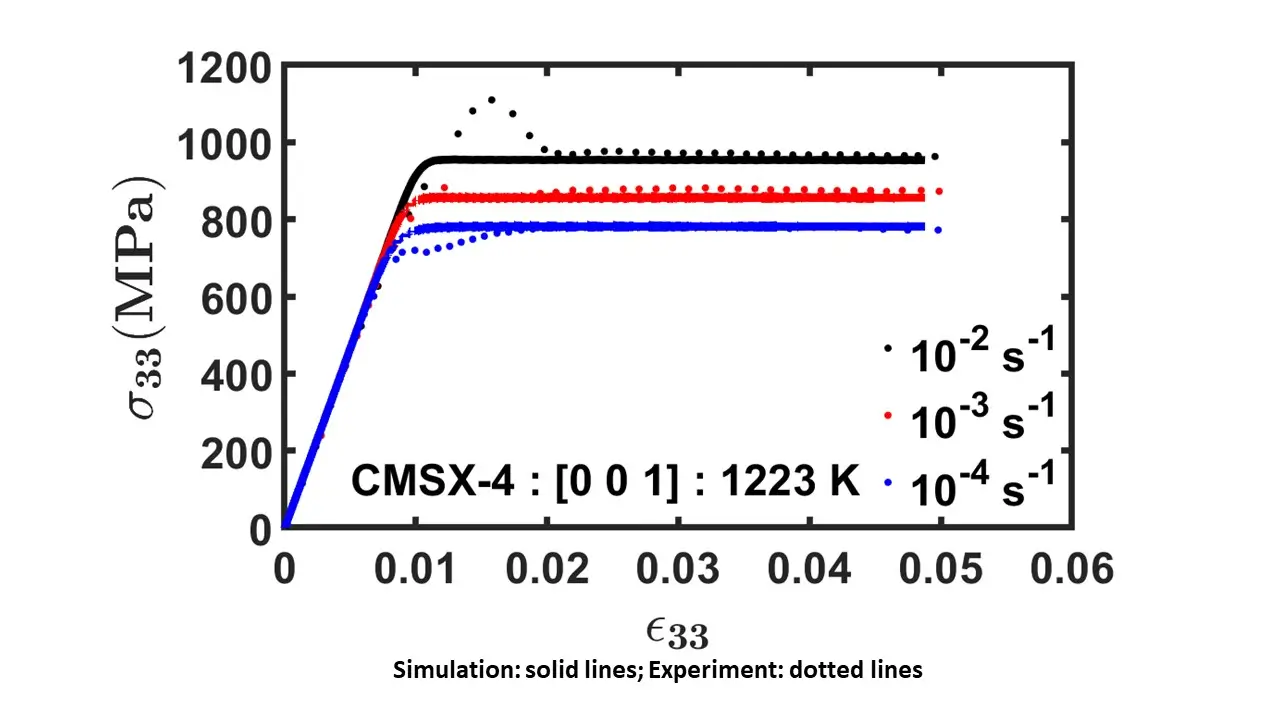
Crystal plasticity prediction of mechanical properties of Ni­base superalloy single crystals [2].

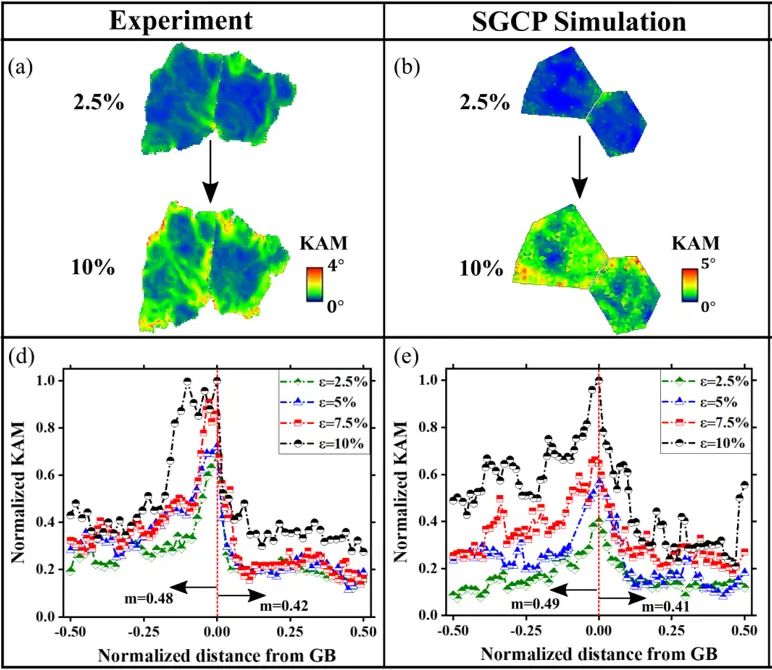
Prediction of misorientation development using strain gradient crystal plasticity modeling [3].

References
  1. Patra, A., Chaudhary, S., Pai, N., Ramgopal, T., Khandelwal, S., Rao, A., McDowell, D.L., “ρ­CP: Open source dislocation density based crystal plasticity framework for simulating temperature­ and strain rate­dependent deformation”, Computational Materials Science, Vol. 224, 2023, 112182. 
  2. Chaudhary, S., Guruprasad, P.J., Patra, A., “Crystal plasticity constitutive modeling of tensile, creep and cyclic deformation in single crystal Ni­based superalloys”, Mechanics of Materials, Vol. 174, 2022, 104474. 
  3. Pai, N., Prakash, A., Samajdar, I., Patra, A., “Study of grain boundary orientation gradients through combined experiments and strain gradient crystal plasticity modeling”, International Journal of Plasticity, Vol. 156, 2022, 103360.
Subscribe to Mechanical Behaviour & Computational Mechanics