Please wait...

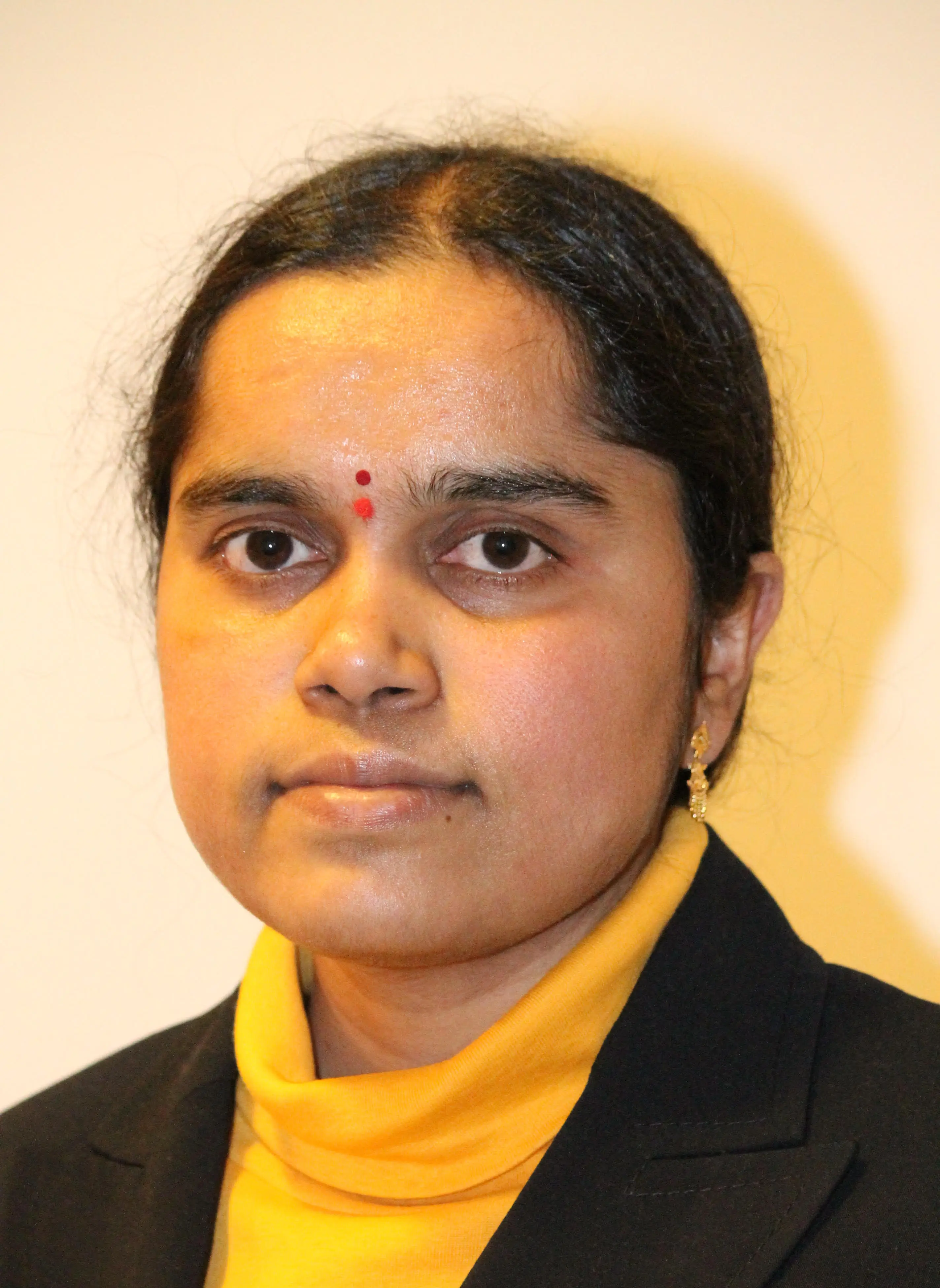
Faculty details Smrutiranjan Parida

Professor

Smrutiranjan Parida

Email: paridasm[at]iitb[dot]ac[dot]in

Phone: (+91) (022) 2576 7643

Education: 

  • Ph.D. ­ University of Saarlandes, Germany ­ 2007 
  • M.Tech.­Mals Sci. & Engg., IIT Kharagpur ­ 2002
Teaching

Prof. Parida currently teaches advance level PG courses on aqueous corrosion and coatings. He has taught advance level courses on the electrochemical materials science to PG and Ph.D. students. Courses taught UG and PG levels are Corrosion and Protection of Materials, Thermodynamics and Kinetics of Corrosion, Protective Coatings, Aqueous corrosion and Electrochemical Materials Science. He is also conducting two corrosion labs, each for UG and PG students.

Research profile

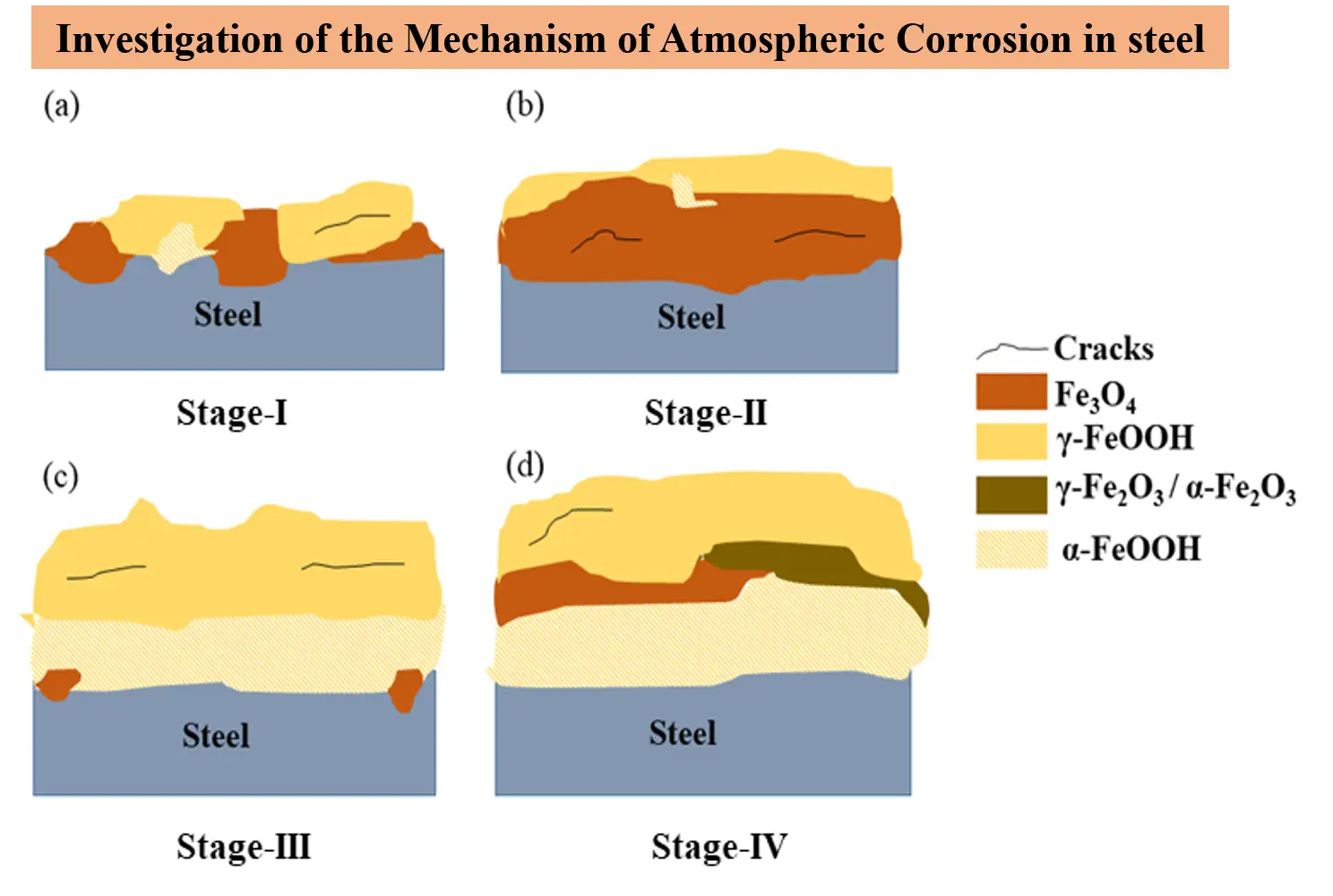
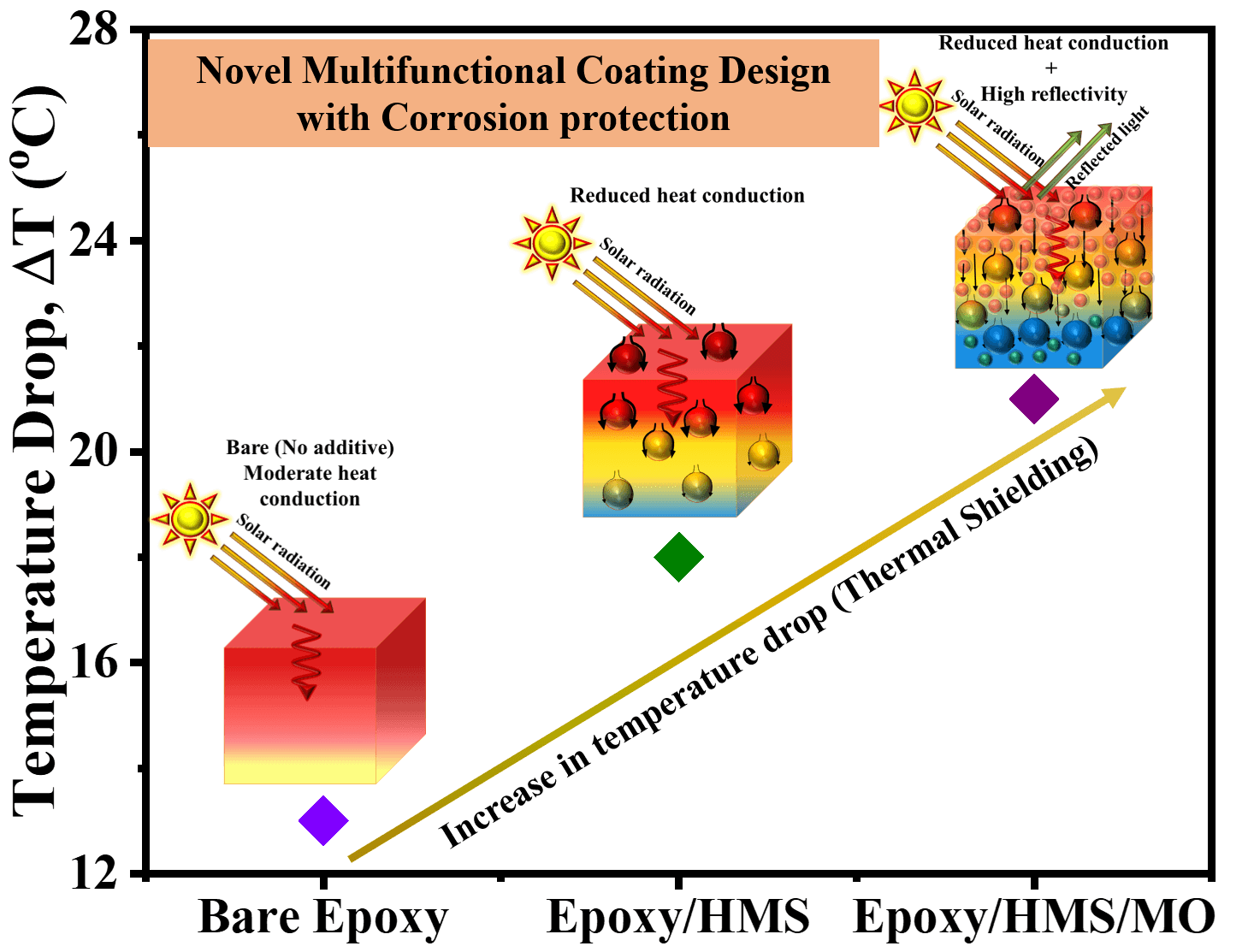
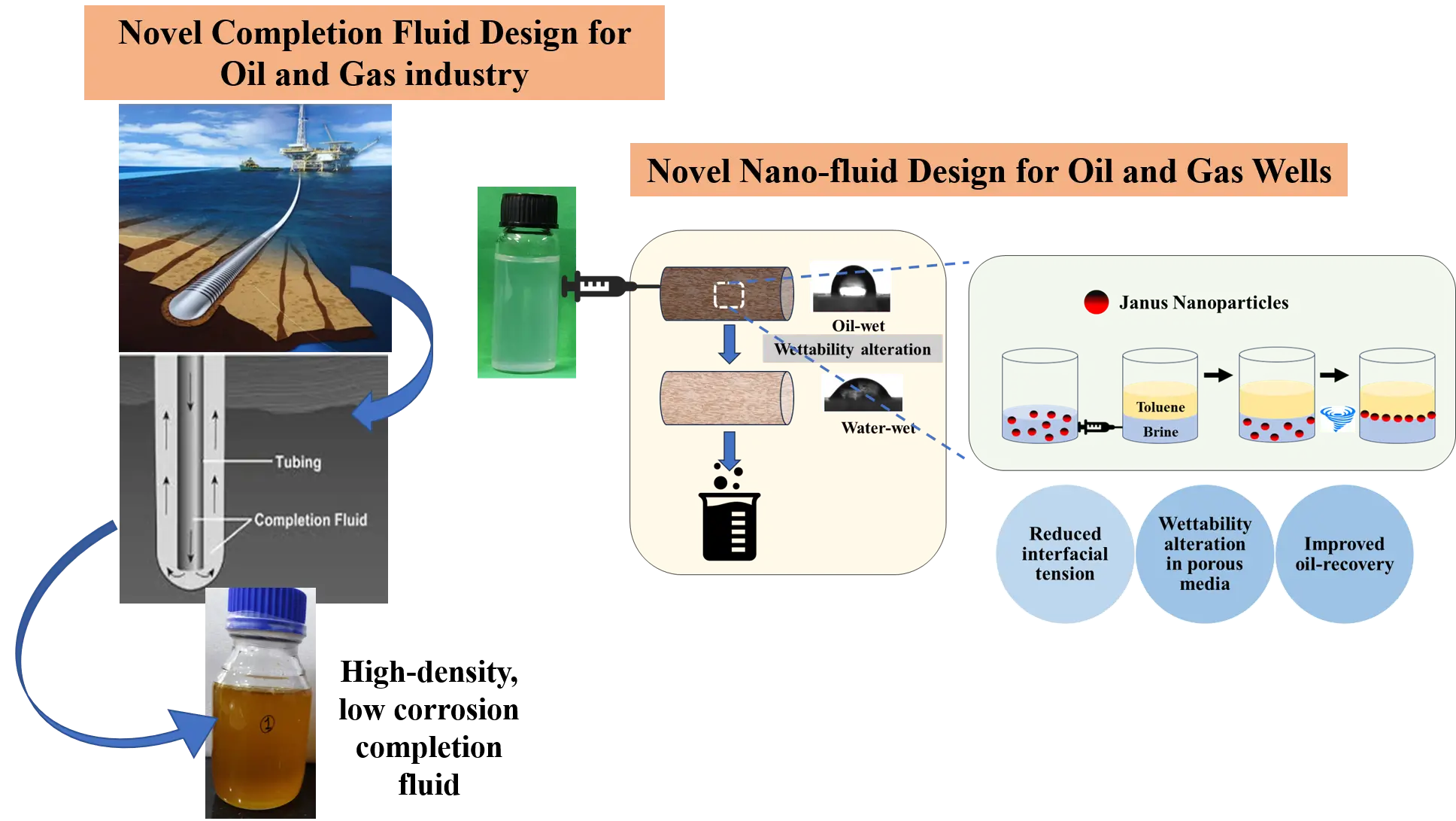
Prof. Parida's research focus is on corrosion, coating and electrochemistry. In corrosion he is focussed on the understanding the mechanism of the atmospheric corrosion in metals and alloy development for the better corrosion protection. He is also focussed on the development and testing of both metallic (galvanized) and organic coatings. He has developed novel Zn­alloy galvanized coatings using indigenously developed hot­dip galvanization simulator. He is also working on the development of multifunctional organic coatings for corrosion protection, low­ surface energy and thermal shielding. Prof. Parida has also involved in the development and design of improved materials for oil and gas industry. He has developed and patented an economical, low corrosion, high density, clear completion fluid for HTHP oil wells. Currently, he is working on nanofluids design for EOR, which is focussed on tuning the surface wetting using earth­abundant nanomaterials. Prof. Parida has significantly worked on nanomaterials (nanocarbons, nano­oxides and trimetallic alloys) for electrochemical energy such as supercapacitor and electrocatalyst.

Research interest
  • Corrosion, Multifunctional Coatings, 
  • Nanomaterials for corrosion protection 
  • Electrochemical Materials Science

Investigation of the Mechanism of Atmospheric Corrosion.

Novel Multifunctional Coating Design with corrosion protection.

Development and design of improved materials for oil and gas industry.

Faculty Details Aswani Yella

Associate Professor

Aswani Yella

Email: aswani[dot]yella[at]iitb[dot]ac[dot]in

Phone: (+91) (022) 2576 7619

Education: 

  • Ph.D. ­ Johannes Gutenberg University, Mainz, Germany, 2010 
  • M.Sc­ University of Hyderabad­2005
Teaching

Courses taught are 

UG courses: Thermodynamics of materials 

PG courses: Semiconductor photo electrochemistry and photocatalysis, Electrical and magnetic materials

Research profile

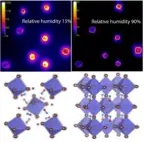
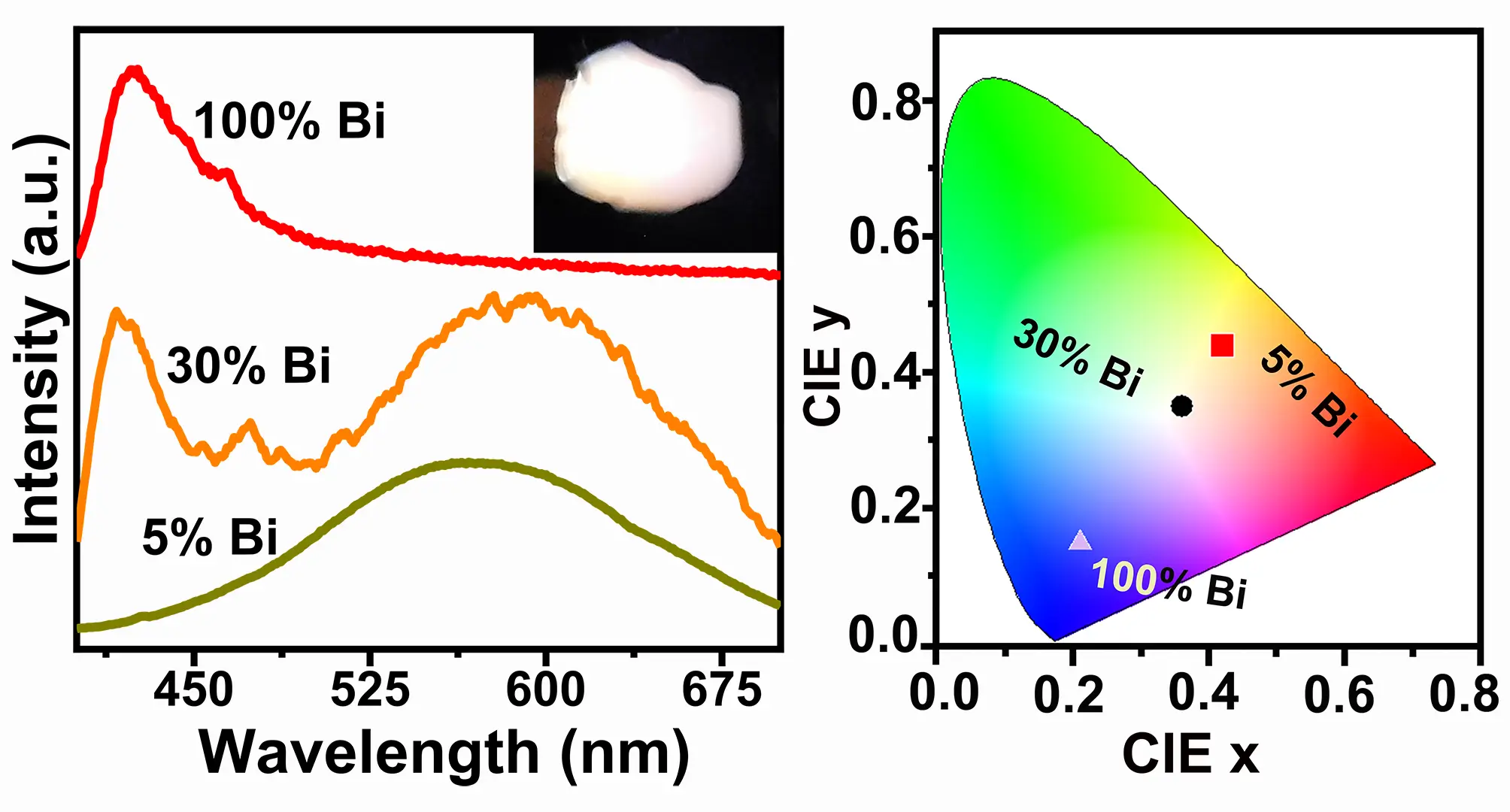
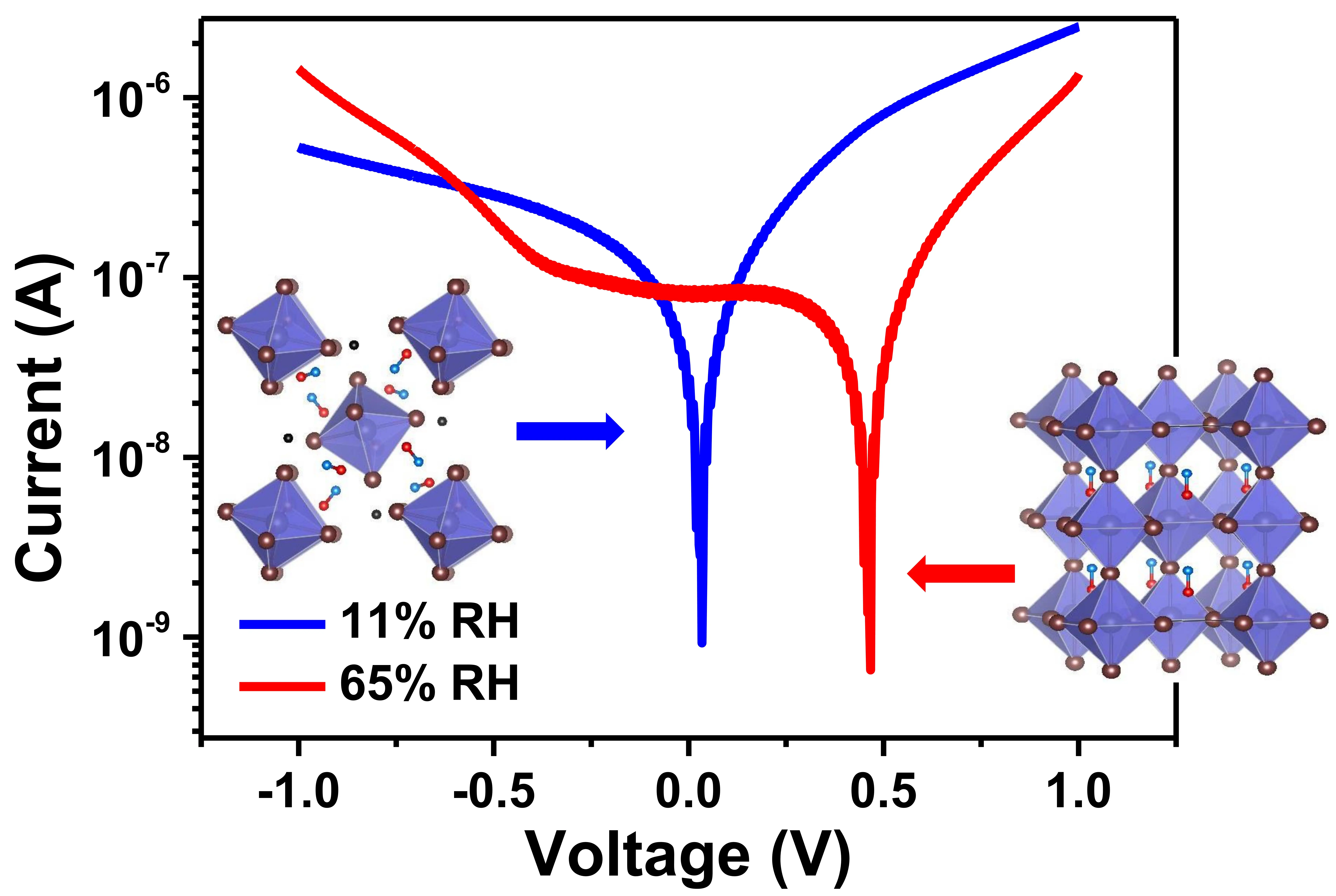
The group of optoelectronic materials and devices are interested in developing semiconductor materials for optoelectronic devices, in particular halide perovskite materials. Halide perovskites have many interesting properties like high absorption coefficient, large charge carrier diffusion lengths, ease of synthesis, etc. However their real life applications are hindered due to the moisture instability and the lead toxicity. The group found zero­ dimensional perovskites to transform to 3D perovskites in the presence of moisture and remain to be stable under moist conditions, which lead to the stable perovskite solar cells. Since the transformation takes place in the presence of humidity, these were found to be useful in making self powered humidity sensors. To address the lead toxicity, the group is focussed on developing lead free perovskites and found that Cs2AgInCl6 doped with Bi3+ to be emitting a broad range with white light emission, making it a single source white light emitter.

Research interest
  • Semiconductor Devices, 
  • Low cost photovoltaic devices, 
  • Photoelectrochemical cells

Zero dimensional perovskites to 3D perovskite transformation in the presence of moisture

Single source white light emitting Bismuth doped Cs2AgInCl6

Moisture to electricity conversion using halide perovskites

References
  1. Moisture­Induced Ionovoltaic Electricity Generation by Manipulating Organic–Inorganic Hybrid Halide Perovskites Sumit Kumar Sharma, Monika Salesh, Mohanraj Subramaniam, Burhanuddin Attarwala, Aswani Yella ACS Energy Letters, 2023, 8,2259­2266 
  2. High performance acidic water electrooxidation catalysed by manganese–antimony oxides promoted by secondary metals Sibimol Luke, Manjunath Chatti, Douglas Mc Farlane, Aswani Yella, Rosalie Hocking, Alexandr Simonov EES Catalysis, 2023, 1, 730­741 
  3. Lead­Free Potassium Alloyed Cs2AgBiBr6: Tunable Optoelectronic Properties and Carrier­Lattice Interaction Vipinraj Sugathan, Jiban Kangsabnik, Aftab Alam, Aswani Yella Energy & Fuels, 2022, 36, 11100­ 11107

Faculty Details Amartya Mukhopadhyay

Professor

Amartya Mukhopadhyay

Email: amartya_mukhopadhyay[at]iitb[dot]ac[dot]in

Phone: (+91) (022) 2576 7612

Education:

  • PhD ­ Materials Science, University of Oxford ­ 2009 
  • M Tech ­ Matls. & Met. Engg, IIT Kanpur ­ 2006 
  • B E ­ Met, Engg. NIT Durgapur ­ 2003
Teaching

Teaches undergraduate courses on 'Electrochemistry of Materials and its Applications', 'Advanced Ceramics', 'Advanced Composites', postgraduate course on 'Structural Characterization of Materials'; have designed an elective course on 'Electrochemical and Materials Perspectives in Energy Storage'

Research profile

Prof Amartya Mukhopadhyay completed his Doctoral in Materials Research from the University of Oxford, UK, in 2009. He did his postdoctoral Research at Brown University, USA, for a couple of years. He is a Young Associate of the Indian National Academy of Engineering (INAE) and served as the Honorary Secretary of Mumbai Chapter of the Indian Institute of Metals (IIM). His research interests include materials for electrochemical energy storage (focusing on alkali metalion batteries) and engineering ceramics. Among his major accomplishments, he has been awarded with the ‘SwarnaJayanti Fellowship 2020­21’, recognized by the Royal Society of Chemistry (UK) journals as one of the ‘2019 Emerging Investigators’, awarded with the 'IIT Bombay Research Dissemination Award 2018', 'INAE Young Engineer Award 2016', 'ASM­IIM North America Visiting Lectureship 2016', 'IIT Bombay Young Investigator Award 2014' and 'Dr. R. L. Thakur Memorial Award' by the 'Indian Ceramic Society' in 2013.

Research interest
  • Electrode Materials and Electrode/ Electrolyte Interfaces for Li­/Na­/K­ion Batteries 
  • Electro­chemo­mechanical Responses of Electrode Materials 
  • Solid Electrolytes and All­Solid­State Li and Na Metal Batteries 
  • Electrochemical Energy Storage Devices (from materials → electrodes → cell development) 
  • Engineering Ceramics and • Ceramic Composites/Alloys

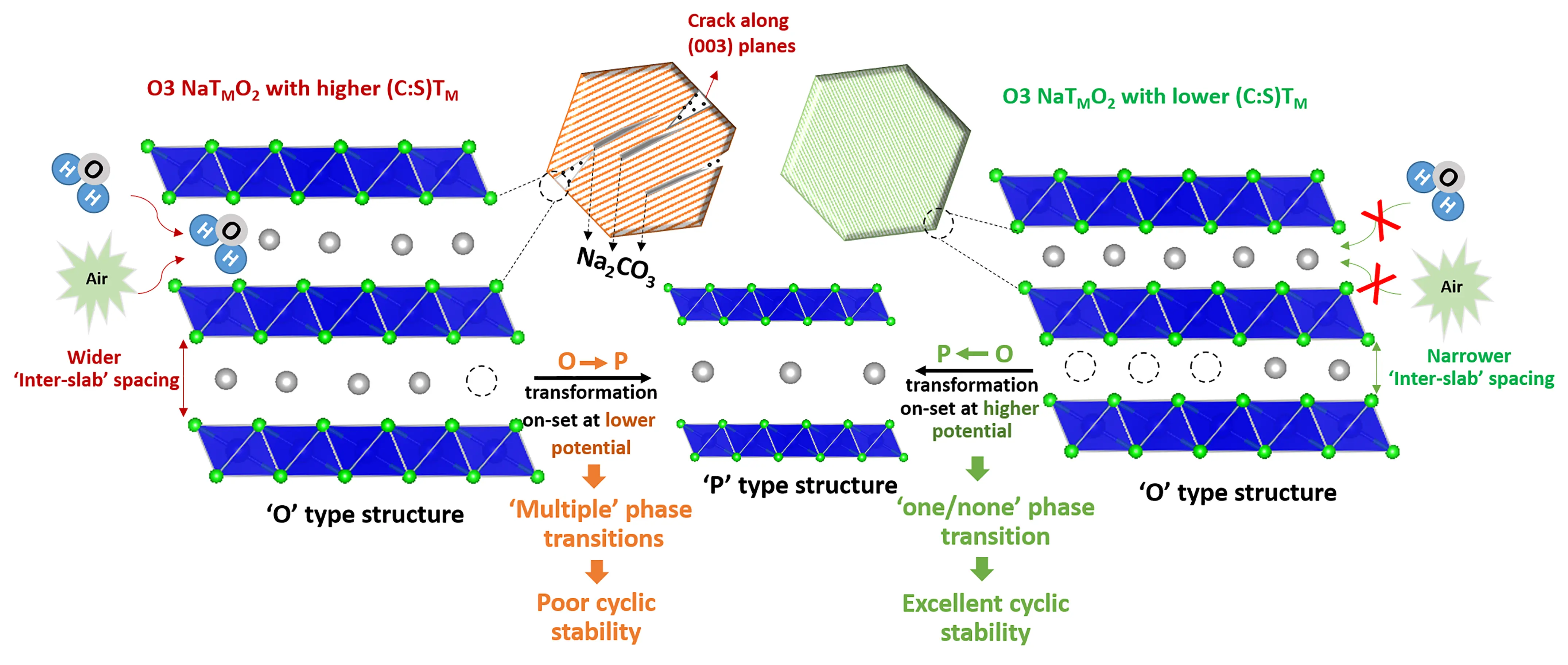
Revealing the dominant factors/parameters towards addressing air/water- instability and structural- cum­ electrochemical instability of ‘layered’ Na- tran sition metal oxide based cathode materials for Na­ion

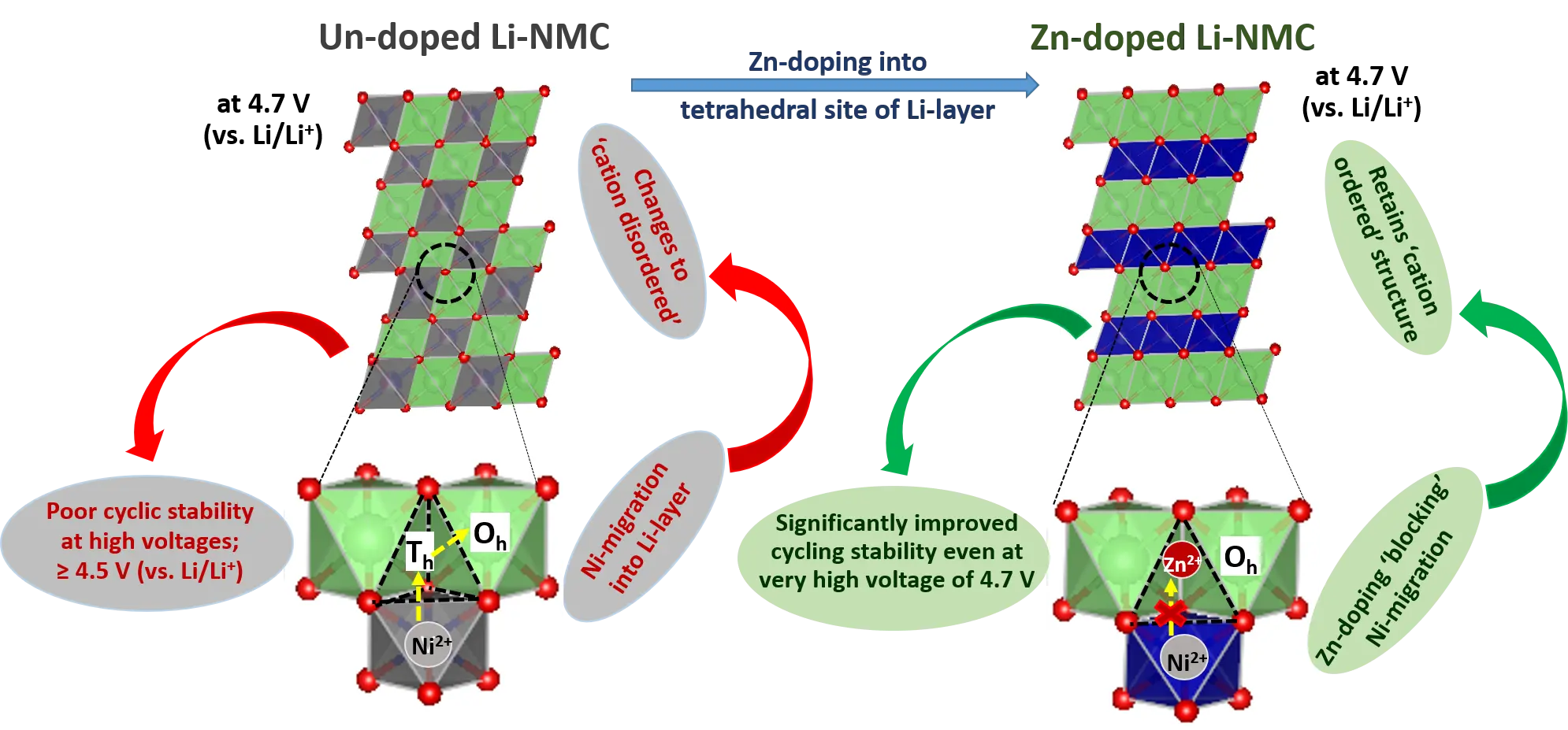
Addressing High Voltage Structural and Electrochemical Instability of Ni­containing Layered Transition Metal (TM) Oxide cathodes by ‘blocking’ the ‘TM­migration’ pathway in the Lattice [2]

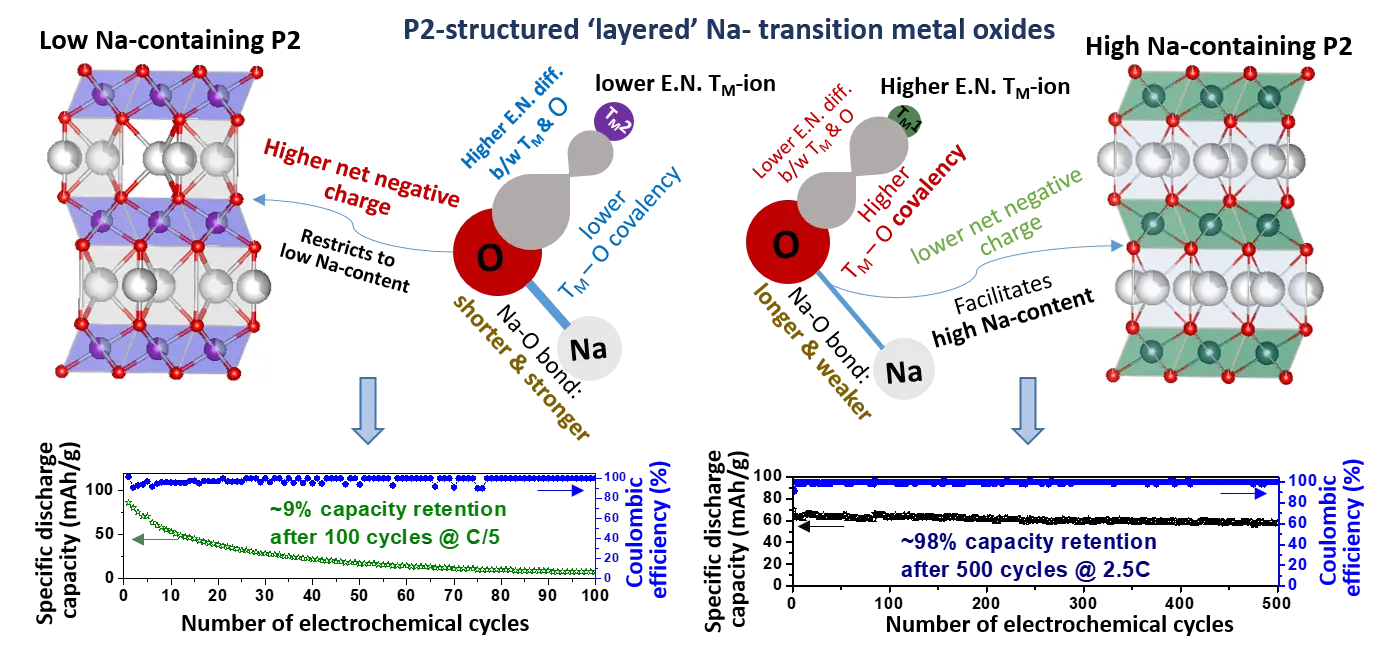
Designing high Na- containing P2­structured ‘layered’ Na­ transition metal oxides as high- performance cathode materials for Na­ion batteries [3]

References
  1. B. [1] B. S. Kumar, A. Pradeep, V. Srihari, H. K. Poswal, R. Kumar, A. Amardeep, A. Chatterjee and A. Mukhopadhyay: Cation­oxygen bond covalency: A common thread and a major influence towards air/water­stability and electrochemical behavior of 'layered' Na­ transition metal oxide based cathode materials. Adv. Energy Mater. 13 [19] (2023) 2204407: 1­15 (https://doi.org/10.1002/aenm.202204407) 
  2. A. Sharma, A. Rajkamal, S. Kobi, B. S. Kumar, A. K. Paidi, A. Chatterjee and A. Mukhopadhyay: Addressing the High Voltage Structural and Electrochemical Instability of Nicontaining Layered Transition Metal (TM) Oxide cathodes by blocking the TM­migration pathway in the Lattice; ACS Appl. Mater. Interfaces 13 [22] (2021) 25836–25849 
  3. B. S. Kumar, R. Kumar, A. Pradeep, A. Amardeep, V. Srihari, H. K. Poswal, A. Chatterjee and A. Mukhopadhyay: Fundamental principles toward designing high Na­containing P2­structured "layered" Na­ transition metal oxides as highperformance cathode materials for Na­ion batteries; Chem. Mater. 34 [23] (2022) 10470–10483
Subscribe to Energy Storage, Electrochemistry & Hydrogen